
How to make soap with clay?

Our Tips for Choosing the Best Clay for Soap Making

Do you make cold-process soap and are you looking for a natural color instead of a synthetic dye? Clay is one of the best options: it adds color and it brings active skin benefits (absorbing excess sebum, gentle exfoliation, minerals).
This guide brings together the clays used in soap making, their properties, the skin types they suit, and the method for incorporating them into your soap batter.
Why add clay to a soap?
Beyond color, clay brings several concrete benefits to a cold-process soap:
Property | Effect on the soap / the skin |
Absorption | Captures excess sebum and impurities, like a sponge |
Adsorption | Retains toxins and impurities on its surface |
Cation exchange (CEC) | Removes unwanted positive ions while releasing beneficial minerals (calcium, potassium) |
Gentle exfoliation | The fine particles remove dead skin cells |
Soothing | Certain clays (white, pink) calm the skin |
Mineralization | Provides silicon, calcium, magnesium |
Fragrance fixative | Extends how long the scent lasts in the soap |
Texturizer | Adds softness and "slip" to the lather |
Trace accelerator | Absorbs moisture and thickens the batter, which speeds up hardening |
All our clays are 100% mineral in origin and comply with the ISO 16128-1 standard (NI = 1; NOI = 1). They are raw materials that can be included in formulations eligible for COSMOS certification, subject to validation by the certifying body and compliance with the requirements of the applicable standard.
Comparison Table: Which Clay Should You Choose for Your Project?
Your goal | Recommended clay | Color in the soap | For which skin types? | Its main strength | Ideal for… |
A soap for combination-to-oily skin | Green Montmorillonite Ventoux | Green | Combination to oily skin | Very strong exchange capacity (CEC), gives excellent slip | Shaving soaps, soaps for oily skin |
A purifying soap | Illite Bonneval | Beige to light green | Oily, blemish-prone skin | High absorbing power | Soaps for blemish-prone skin |
A soap with a healthy glow | Yellow kaolin de Vala | Ochres Yellow | All skin types | Beautiful natural, luminous tone | Face and body soaps |
A soap with warm tones | Red Illite Fronnac | Brick red | All skin types | Naturally rich in iron oxides, deep color | Decorative soaps or "healthy glow" effect |
An original color | Illite Orange des Cimes | Orange | All skin types | Also rich in iron oxides | Decorative artisan soaps |
A very gentle soap | White Kaolin Izane / White Kaolin Morélie | White to cream | All skin types, especially the most delicate | Very fine texture, softness, improves the feel of the lather | Face soaps, family soaps, sensitive skin |
A delicate, elegant soap | Pink Corens / Pink Clinchant | Powder pink / Salmon pink | Sensitive or mature skin | Fine grain, very light exfoliation | Care soaps and premium soaps |
A soap with mineral shades | Bleu du Sud (Blue) | Blue | All skin types | Original natural color | Artisan and decorative soaps |
A solid shampoo | Rassal | Beige | Hair and scalp | Natural cleansing power | Solid shampoos, dry shampoos, body soaps |
A soap with a mineral style | Terre de Sarval | Gray to black depending on moisture | Oily skin | Strong absorbing power and intense color | Purifying soaps |
A soap with original shades | Bentonite Lilas de Sensy | Chocolate brown | All skin types | Rich texture and evolving color | Artisan soaps |
A very absorbent soap | Ghassoul | Beige | All skin types | Very strong absorbing power, soft feel | Soaps, solid shampoos, and cleansing care products |
A natural purple color | Violette Frontenac | Purple | — | Color is not stable in cold-process saponification | Reserve for balms, powders, or creams |
A household stain-removing soap | Terre de Sommières | Beige | Non-cosmetic use | Excellent absorption of fatty substances | Household and stain-removing soaps |
Experiment with different clays to discover the combinations of colors and properties that perfectly match your needs and preferences.
Detailed Guide, Clay by Clay
1. Green Montmorillonite Clay Ventoux

Color: Green
Composition: 100% mineral
This is the queen of clays.
Montmorillonite is one of the most sought-after clays in artisan soap making. It has a very strong cation exchange capacity (CEC), along with excellent absorbing and adsorbing power. This particular structure also allows it to swell on contact with water, a characteristic property of smectites.
In saponification, this water-retention capacity adds more slip and smoothness to the lather. That's why it's especially prized in shaving soaps.
Its natural green color makes it possible to achieve soaps with plant-like tones without any synthetic dye. Traditionally, it's favored in formulas intended for combination-to-oily skin thanks to its strong absorbing power.
In chromotherapy, green is traditionally associated with balance, nature, and harmony. This symbolism can reinforce the identity of a soap inspired by the plant world.
2. Illite Clays
Illites form a family of natural clays whose shades vary according to their content of iron oxides and various minerals (potassium, magnesium, calcium, sodium, silicon...). This diversity offers a wide color palette that is highly valued in soap making.
Illite Bonneval Clay
Color: beige/light green Composition: 100% mineral
Thanks to its good absorbing power, this clay is often used in soaps intended for combination or oily skin. It helps give a clean-skin feeling after washing and adds a soft, natural tint to soaps.
Yellow Illite Auban Clay

Color: dark ochre yellow
Composition: 100% mineral
This clay provides a warm, luminous coloring. It's prized for creating soaps with natural tones reminiscent of earth and sun.
In chromotherapy, yellow traditionally symbolizes light, optimism, and energy. It evokes warmth and good spirits, which can influence the sensory perception of the product.

Red Illite Fronnac
Clay Color: brick red
Composition: 100% mineral
Naturally rich in iron oxides, this clay gives soaps a deep, warm color. It's often used in formulations meant to create a "healthy glow" visual effect.
In chromotherapy, red is associated with vitality, energy, and dynamism.
Illite Orange des Cimes Clay

Color: dark orange
Composition: 100% mineral
This clay offers a bright, warm color especially prized in decorative soaps.
The intensity of the shade depends on the formulation: light-colored oils bring out the color more, while darker oils produce more subtle shades.
In chromotherapy, orange is traditionally associated with creativity, conviviality, and joy.
3. White Kaolin Clay

Color: white to cream
Composition: 100% mineral
Kaolin is one of the gentlest clays used in cosmetics.
Its very fine grain gives the soap a soft feel while improving its texture. It's particularly well suited to soaps intended for delicate skin.
In soap making, it also helps improve the slip of the lather, which explains why it's frequently found in shaving soaps.
Its light color makes it possible to create white or pastel soaps and provides an excellent base for natural coloring.
In chromotherapy, white evokes purity, simplicity, and serenity.
4. Pink Clay

Color: pink
Composition: 100% mineral
Pink clay combines the fineness of kaolin with the absorbing properties of illite.
Highly prized for its delicate color, it's used as a natural mineral colorant in artisan soaps. Its very fine texture provides a particularly gentle exfoliation.
It suits all skin types, especially delicate skin.
In chromotherapy, pink is traditionally associated with softness, calm, and comfort.
5. Blue Clay ("Bleu du Sud")

Color: blue
Composition: 100% mineral
Rare in soap making, this clay makes it possible to achieve an original mineral coloring.
It's used both for its aesthetic appearance and for its fine texture, which blends easily into formulations.
It suits all skin types.
In chromotherapy, blue evokes calm, freshness, and serenity.
6. Rassal Clay

Color: beige
Composition: 100% mineral
Rassal has traditionally been used for hair and skin care.
Its strong cleansing power makes it a particularly popular ingredient in solid shampoos, dry shampoos, and certain body soaps.
Its texture provides a pleasant feeling of cleanliness while preserving skin comfort.
7. Black Clay ("Terre de Sarval")

Color: gray when dry, black once moistened
Composition: 100% mineral
This clay is prized above all for its very distinctive visual appearance.
Its strong absorbing power makes it an excellent choice for soaps intended for oily skin.
In chromotherapy, black evokes depth, sobriety, and elegance.
8. Lilac Bentonite Clay ("Bentonite Lilas de Sensy")

Color: lilac when dry, chocolate brown when moistened
Composition: 100% mineral
Like all bentonites, this clay has strong absorbing power thanks to its montmorillonite-type structure.
Its evolving color creates an original visual effect during soap making.
It's prized for creating soaps with a silky feel and excellent slip.
9. Ghassoul Clay
Color: pinkish beige
Composition: 100% mineral
Originating from Morocco, ghassoul has been used for centuries in traditional hammam treatments.
Contrary to what is often written, ghassoul is not a montmorillonite. It is mainly composed of stevensite, another mineral belonging to the smectite family.
It has a very strong absorbing capacity while retaining an exceptionally soft texture.
Very rich in magnesium, it's widely used in hair care, masks, and artisan soaps.
In chromotherapy, its beige color evokes softness and naturalness.
10. Violet Frontenac Clay
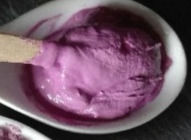
Color: purple
Composition: 100% mineral
This clay is mainly used to add original coloring to cosmetics such as balms, powders, shampoos, or certain decorative preparations.
⚠️ In cold-process saponification, its color is unstable. It is therefore not recommended for this technique.
In chromotherapy, purple is associated with creativity, imagination, and meditation.
11. Terre de Sommières
Color: beige
Composition: 100% mineral
Use: exclusively household (non-cosmetic).
Terre de Sommières is a natural clay renowned for its very high capacity to absorb fatty substances.
Incorporated into a household stain-removing soap, it helps make it easier to clean greasy stains on fabrics and certain washable surfaces.
How to Incorporate Clay into a Cold-Process Soap
Clays are easy to work into a cold-process soap recipe, provided you follow a few simple rules. They add natural coloring, slightly change the texture of the lather, and can influence the consistency of the soap batter.

1. Determine the right dosage
A concentration of between 1 and 3% of the total weight of the oils works for most recipes.
For example, for a recipe containing 25 kg of oils, plan for about 250 to 750 g of clay.
A higher dosage is possible depending on the effect you're after, but it can make the batter thicker and the soap firmer.
As with any formulation, use a lye/saponification calculator and always weigh every ingredient with a precision scale.
2. Sift the clay
Pass the clay through a fine sieve to remove any clumps. This step makes it easier to disperse and helps achieve a perfectly smooth batter.
If you're using a fragrance, some soap makers prefer to mix it with the clay a few minutes before adding it in, to encourage even distribution throughout the batter. This practice is based on experience and can vary depending on the formulation.
3. Prepare a smooth paste
Before adding it to the soap batter, mix the clay with a small amount of oil taken from the recipe.
A ratio of about 1 part clay to 3–4 parts oil generally produces a smooth paste, free of lumps.
4. Incorporate at trace
Add the clay paste once the mixture reaches a light to medium trace.
Gently mix with a whisk or spatula until the color is uniform.
Certain clays, particularly montmorillonites, can slightly speed up the thickening of the batter. It's therefore a good idea to have your molds ready before this step.
5. Pour and let it saponify
Pour the batter into the molds right away, then continue with your usual saponification, unmolding, and curing process.
Since every oil, fragrance, and clay can influence how the batter behaves, take the time to observe the final result.
A Few Tips for Successful Trials
Always wear gloves and safety goggles, and follow the safety rules for handling lye.
Make small test batches first before larger production runs, to make sure the soap meets your expectations in terms of texture, color, and properties. Ask us for our 15 g samples.
Always note the type of clay used, its dosage, the oils used, and your observations. This formulation notebook will quickly become a valuable tool.
Use utensils dedicated to soap making. Some strongly colored clays can stain equipment.
Work in a clean environment to limit any risk of contamination during production.
Dosage: count 1 to 3% of the total weight of the recipe (250 g to 750 g for 25 kg). Too much clay makes the soap excessively hard — start small and adjust. Always check your recipe with a soap calculator, and weigh every ingredient on a scale (never by volume).
Sift: pass the clay through a fine sieve, then add the fragrance and let it sit while you prepare the rest — this helps the scent set.
Dilute: mix the clay with a little oil to get a smooth, lump-free paste (about 1 part clay to 4 parts oil).
Incorporate: add the clay paste at trace and mix evenly with a whisk or spatula.
Pour: pour into the molds as usual — the clay thickens the batter and can speed up molding.
Tip: note your proportions and observations for each trial so you can fine-tune your future recipes.
Additional tips:
Follow the proportions and safety steps when making soap.
Wear gloves and safety goggles.
Always test your recipes: before producing in bulk, always make small batches and test them to make sure the soap meets your expectations in terms of texture, color, and properties. Ask us for our 15 g samples.
Use dedicated equipment: keep in mind that clay can stain certain utensils, so it's recommended to use equipment dedicated to soap making.
Follow good hygiene practices: make sure you work in a clean, sanitized environment to avoid any contamination of your soap.
Frequently Asked Questions
Which clay should I choose for oily-skin soap? Green Montmorillonite clay or Illite Bonneval, both purifying and sebum-regulating.
Which clay for sensitive or mature skin? Pink clay or White Kaolin clay, known for their gentleness.
Can violet clay be used in a soap? No, it is unstable in cold-process saponification. It's reserved for no-cook care products (lotions, balms, shampoos).
What's the right clay dosage in a soap recipe? Between 1 and 3% of the total weight of the soap batter.
Take Action
Have you used one of these clays in your cold-process soaps?
Share your experience on Instagram @lesargilesdusoleil.
Professional pricing and orders: contact us directly.
Have you used our clays in your cold-process soaps? We'd love to hear about your experiences.
Share your stories with us on Instagram: https://www.instagram.com/lesargilesdusoleil/


